
If you own a home along the Casco Bay coastline, you already know that a roof here has a tougher job than a roof almost anywhere else in New England. Roofing services in Yarmouth Maine aren’t just about stopping leaks — they’re about engineering a roofing system that can survive salt-laden wind, freeze-thaw cycles, and the kind of nor’easter that knocks out power for a week. This guide breaks down what actually matters when you’re evaluating roofing services in Yarmouth Maine, from the climate science behind roof failures to the materials that hold up best on the coast.
Why Yarmouth’s Coastal Climate Puts Extra Stress on Roofs
Yarmouth sits about 12 miles north of Portland along Route 1 and I-295, in Cumberland County — close enough to the water that salt spray, humidity, and wind load all factor into how a roof ages. The town’s climate is classified as humid continental, which means no true dry season and a wide temperature swing: winter lows regularly dip into the teens, while summer highs climb into the mid-70s.
That swing matters more than most homeowners realize. Yarmouth gets roughly 49 inches of precipitation annually, spread fairly evenly across the year, with December and January bringing the heaviest combination of rain, sleet, and snow. Repeated freeze-thaw cycles — melting during the day, refreezing at night — are one of the leading causes of shingle cracking, flashing failure, and the ice dams that back water up under roofing materials near the eaves.
For a local roofing contractor, this isn’t background trivia — it’s the reason coastal Maine roofs need different underlayment, ventilation, and flashing details than a roof built for, say, inland Massachusetts or the Midwest.
Common Roofing Problems Yarmouth Homeowners Run Into
A few issues show up again and again on service calls in this area:
- Ice dam leaks. When attic heat melts snow unevenly, water refreezes at the colder eaves and forces its way under shingles. This is one of the most common winter roof repair calls in Cumberland County.
- Wind-lifted shingles. Coastal wind gusts, especially during nor’easters, can loosen shingle tabs and expose the underlayment beneath.
- Salt-air corrosion. Metal flashing, fasteners, and gutter systems near the water corrode faster than they would inland, which is why coastal-grade materials matter.
- Moss and algae growth. Yarmouth’s humidity and tree cover (especially in older neighborhoods near the village center) create conditions where moss can take hold on north-facing slopes, trapping moisture against shingles.
- Aging housing stock. Yarmouth has a mix of historic homes near the downtown and waterfront alongside newer construction — older roofs, particularly those installed before modern ice-and-water shield became standard practice, are more prone to hidden leaks.
What Roofing Services in Yarmouth Maine Actually Cover
When people search for roofing services in Yarmouth Maine, they’re usually looking for one of these:
Roof repair. Targeted fixes for leaks, damaged flashing, missing shingles, or storm damage. A good contractor inspects the full roof, not just the reported problem area, since coastal wind damage often affects more shingles than the ones that are visibly missing.
Roof replacement. A full tear-off and reinstall, typically needed once a roof passes 20–25 years old (for asphalt shingle) or shows widespread granule loss, curling, or repeated leak points.
Roof installation. New construction or additions, matched to Maine’s building code requirements for wind uplift resistance and ice barrier protection.
Roof maintenance and inspection. Seasonal check-ups — ideally before winter and after major storms — that catch small problems (a lifted shingle, a cracked pipe boot) before they become interior water damage.
Emergency and storm damage repair. Tarping, temporary leak mitigation, and insurance-claim documentation after wind or ice events — critical in a region that sees regular nor’easters between November and March.
Materials That Actually Perform in Maine’s Weather
Not every roofing material is a good fit for a coastal Maine home. Based on how these systems typically perform in this climate:
- Architectural (dimensional) asphalt shingles from manufacturers like GAF, CertainTeed, or Owens Corning are the most common choice — they offer a good balance of wind resistance (many are rated for 110+ mph gusts) and cost, and hold up well when paired with proper ice-and-water shield underlayment.
- Standing seam metal roofing is increasingly popular on the coast because it sheds snow quickly, resists wind uplift, and doesn’t absorb moisture the way shingles can. It costs more upfront but often lasts 40–50 years.
- Cedar shake and shingle, common on older Yarmouth homes for their New England aesthetic, require more maintenance in a humid climate to prevent moss and rot — regular treatment matters more here than in drier states.
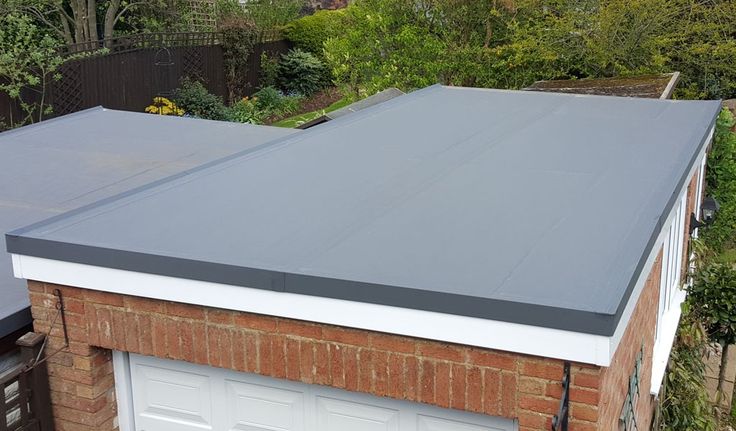
- Flat and low-slope systems (TPO, EPDM, modified bitumen) show up on additions, garages, and some commercial buildings — these need careful seam work since standing water and ice are common failure points on low-slope coastal roofs.
What a Quality Local Roofing Contractor Should Bring to the Table
This is where experience and local knowledge — not just a sales pitch — actually shows up. A contractor who’s worked roofs and provide Roofing Services in Yarmouth Maine throughout Cumberland County should be able to speak specifically to:
- How Maine’s Uniform Building and Energy Code (MUBEC) applies to ice barrier and ventilation requirements
- Proper attic ventilation ratios to prevent the heat buildup that causes ice damming in the first place
- Insurance claim documentation for wind and ice damage, since many Yarmouth homeowners file claims after major storm events
- Realistic material recommendations based on how exposed a specific property is to wind and salt air (a home directly on the water needs different specs than one a mile inland)
Firms serving Yarmouth and the surrounding Cumberland County towns — Cumberland Center, Cumberland Foreside, Falmouth, North Yarmouth — should also be licensed and insured in Maine, and ideally carry manufacturer certifications (GAF Master Elite, CertainTeed SELECT ShingleMaster, or similar), which typically come with extended warranty coverage that a non-certified installer can’t offer.
What Roofing Services in Yarmouth Maine Typically Cost
Pricing varies by roof size, pitch, material, and how much of the decking needs replacing, but homeowners in this region should generally expect:
- Roof repair: Usually a few hundred to low thousands of dollars, depending on the extent of damage
- Full asphalt shingle replacement: Commonly ranges from the high single digits to low five figures for an average single-family home, with wide variation based on square footage and roof complexity
- Metal roofing: Typically 2–3x the cost of asphalt upfront, offset by a much longer service life
- Emergency tarping: A smaller near-term cost, but delaying a permanent repair after storm damage often costs more in the long run due to secondary water damage
Getting a written, itemized estimate — not just a verbal quote — is the best way to compare contractors fairly, since line items like decking replacement, underlayment upgrades, and disposal fees can shift the total significantly.
Choosing the Right Roofing Company in Yarmouth
A few practical questions to ask before signing a contract if you are looking for Roofing Services in Yarmouth Maine:
- Are you licensed and insured to work in the state of Maine?
- Do you carry manufacturer certification for the shingle or metal system you’re recommending?
- What ice-and-water shield coverage do you install at the eaves, and does it meet MUBEC requirements?
- Can you provide references from other jobs in Yarmouth or Cumberland County specifically?
- How do you handle emergency calls during a storm event?
A contractor who answers these clearly, with specifics rather than generalities, is usually the safer bet for a coastal property where the margin for error is smaller than it would be inland.
Frequently Asked Questions
How often should a Yarmouth homeowner get a roof inspection? Twice a year is standard — once in the fall before winter storms hit, and once in spring to check for ice dam or wind damage from the season before.
How long does an asphalt shingle roof last on the Maine coast? Typically 20–25 years, sometimes shorter than inland installations because of the added stress from salt air and wind exposure — proper ventilation and flashing extend that lifespan considerably.
Does homeowners insurance usually cover storm-related roof damage in Maine? Most policies cover sudden wind and ice damage, though coverage details vary — documenting damage with photos and a contractor’s inspection report right after a storm strengthens a claim.
The Bottom Line
Roofing services in Yarmouth Maine come down to one core idea: this is a coastal climate, and the roof needs to be treated like one. Whether you’re dealing with a leak after last winter’s ice dams, planning a full replacement, or just due for an inspection, working with a contractor who understands Cumberland County’s weather patterns — not just roofing in general — is what separates a roof that lasts 15 years from one that lasts 30. For more details and information, you can visit roofingcontractor5x.