
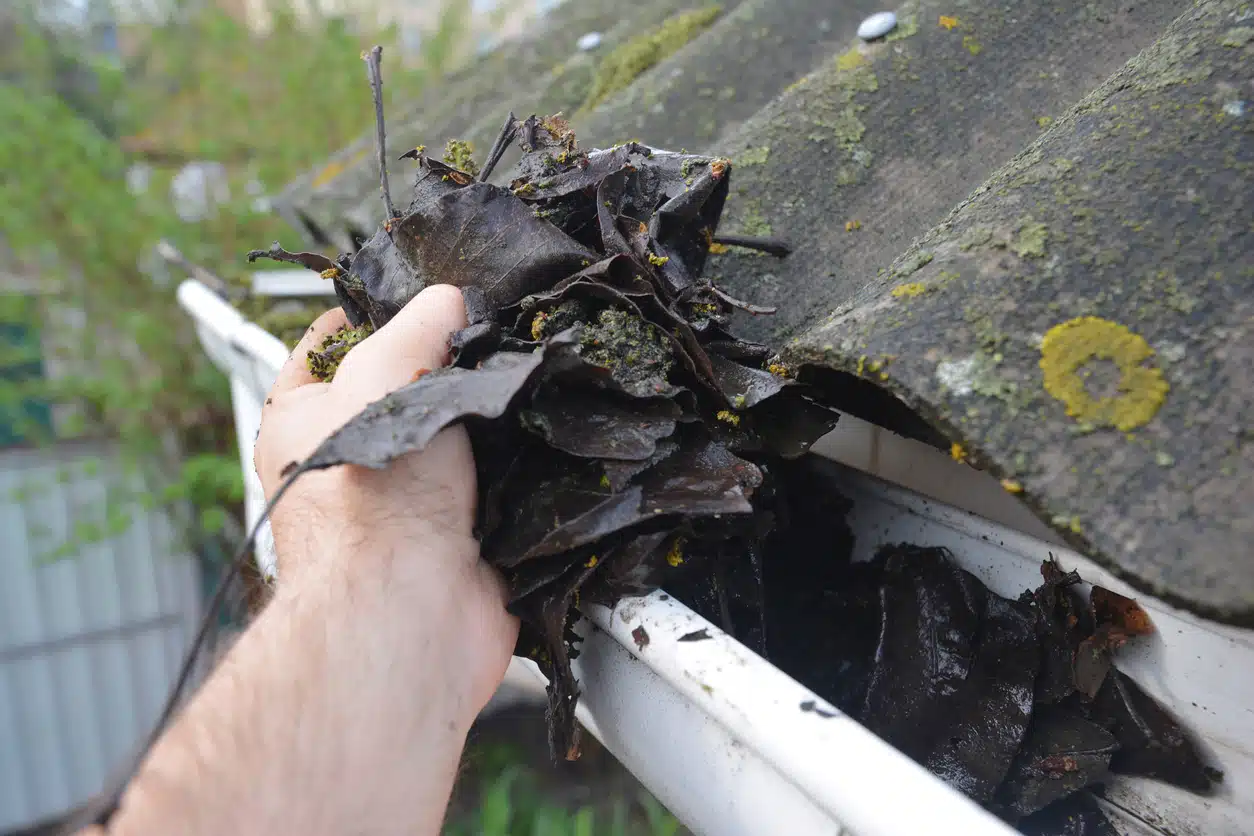
Introduction You notice dark streaks running down your roof. A patch of thick green fuzz near the north-facing slope. Black spots spreading slowly across your shingles. Easy to dismiss as dirt or just the natural aging of a roof — but what you are actually looking at is a slow-moving biological attack on one of the most important structural components of your home. Algae, moss, and mold are not cosmetic issues. They are active threats to your roof’s structural integrity, your home’s energy efficiency, your family’s health, and your wallet. Left untreated, they can shorten a roof’s lifespan by years — even decades — turning what should be a 25-year roofing investment into an emergency replacement in half the time. At Roof Restore Contractor 5x, we inspect and treat hundreds of roofs across Maine, New Hampshire, and Massachusetts every year — and biological growth is one of the most common and most underestimated problems we encounter. This guide covers everything you need to know: what these organisms are, exactly how they damage your roof, how to prevent them, how to safely remove them, and when it’s time to call in a professional. What Are Algae, Moss, and Mold — And How Do You Identify Them? Understanding what you are dealing with is the first step toward protecting your roof. These three organisms look different, behave differently, and damage your roof through different mechanisms — though they often appear together. Algae (Gloeocapsa Magma) What it looks like:Roof algae most commonly appears as dark green, gray, or black streaks and stains running down your roof’s surface — particularly on north-facing slopes and areas shaded by trees. It is extremely commonly mistaken for dirt, pollution staining, or simple aging of the shingles. What it actually is:The most common roof algae species is Gloeocapsa magma — a cyanobacteria (blue-green algae) that produces a dark pigmented outer coating to protect itself from ultraviolet radiation. That dark protective shell is what creates the characteristic black streaking you see on roofs across the Northeast. What it feeds on:Algae feeds on the limestone filler and calcium carbonate used as a filler material in asphalt shingles. As it consumes this material, it gradually degrades the structural composition of your shingles from within. How it spreads:Algae spreads through airborne spores — which means once one roof in a neighborhood is affected, spores travel on wind and birds to neighboring properties. This is why you often see multiple homes on the same street develop algae growth around the same time. Where it thrives:Shaded areas, north-facing slopes, and regions with high humidity and moisture — making it particularly prevalent across Maine, New Hampshire, and Massachusetts, where humid summers and wet springs create ideal growing conditions. Moss What it looks like:Moss appears as thick, spongy, bright to dark green patches on your roof’s surface. Unlike algae — which stains the surface — moss has physical volume and texture. It grows most aggressively on north-facing roof slopes and anywhere tree canopy creates consistent shade and moisture. What it actually is:Moss is a non-vascular plant that has no true roots but develops a dense, fibrous root-like system called rhizoids that physically anchor it to your shingles. It requires moisture to survive and actively retains water within its structure — functioning essentially as a sponge sitting on your roof. How it spreads:Like algae, moss spreads through airborne spores. It establishes most easily on roofs with existing debris accumulation — leaves, pine needles, and dirt provide an ideal base layer for moss to take hold and spread. Where it thrives:Consistently shaded, moist roof surfaces — particularly in the heavily wooded communities of Maine and New Hampshire where tree canopy is dense and sunlight is limited on northern roof slopes for much of the year. Mold and Mildew What it looks like:Mold on roofing surfaces appears as slimy, fuzzy, or powdery black, brown, or dark green spots. It can look similar to algae at a distance but has a more textured, irregular appearance up close and often emits a musty odor. What it actually is:Mold is a fungus — specifically a collection of microscopic organisms that reproduce through spores and digest organic material as their food source. On a roof, mold feeds on organic debris, wood fibers in the roof deck, and the organic components in older roofing materials. Why it’s the most dangerous of the three:Unlike algae and moss — which primarily damage your roof’s exterior — mold can penetrate through compromised roofing materials into your attic space and interior structure. Once mold establishes in your attic, it poses direct health risks to your household, can contaminate insulation, and can spread through your home’s air circulation system. Where it thrives:Anywhere with consistent moisture, poor ventilation, and organic material — making poorly ventilated attics and chronically damp roof surfaces prime mold environments. Homes with existing roof leaks or inadequate attic ventilation are especially vulnerable. How Algae, Moss, and Mold Damage Your Roof — The Full Picture Each of these organisms damages your roof through distinct mechanisms — and when they appear together, their destructive impact compounds significantly. Here is a complete breakdown of every way biological growth compromises your roofing system: 1. Shingle Granule Loss and Accelerated Deterioration Asphalt shingles are coated with granules — tiny mineral particles that protect the underlying asphalt layer from UV radiation, impact damage, and weathering. These granules are your shingles’ primary defense system. Algae consumes the limestone filler within your shingles, gradually breaking down the bonding compounds that hold granules in place. As the binder weakens, granules detach and wash off — accelerating a process that normally takes decades into just a few years. Once granules are lost, the underlying asphalt layer is exposed directly to UV radiation, causing it to dry out, crack, and become brittle at a dramatically accelerated rate. Moss compounds this problem physically — its root system actively digs into the shingle surface, mechanically dislodging granules as it grows. Areas of heavy moss growth can show visible