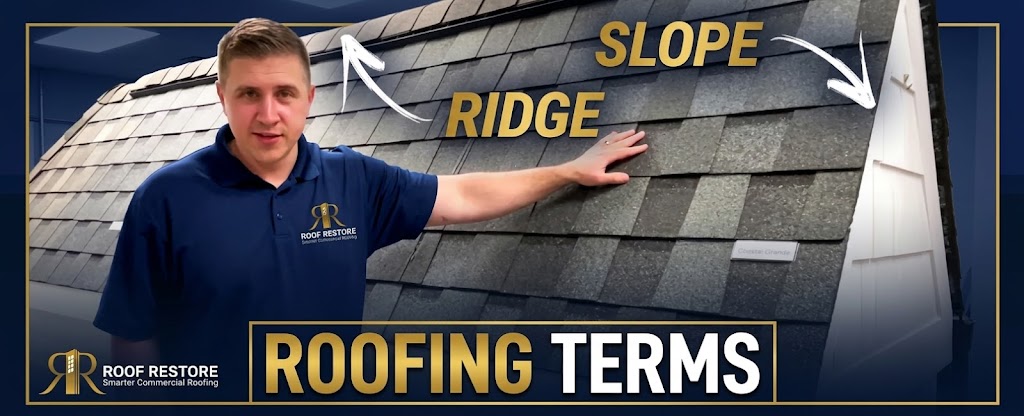
If you have ever talked to a roofer about replacing or repairing your roof, you may have heard terms like ridge, valley, rake, eave, fascia, soffit, flashing, decking, pitch, and roof square. For homeowners, these roofing terms can sound confusing. Understanding the basic parts of a roof can make it much easier to talk with a roofing contractor, understand an inspection report, and make informed decisions about roof repairs or replacement. This guide explains the most common roofing terms and roof components, with a special focus on homes in Maine, where roofs must deal with snow, ice, rain, wind, and seasonal temperature changes. Why Understanding Roofing Terms Matters in Maine Maine homes experience demanding weather conditions throughout the year. Snow and ice can place significant weight on a roof, while freezing and thawing can contribute to moisture problems. The Maine Emergency Management Agency notes that packed snow and ice can add substantial weight to a roof, making proper roof maintenance and safe snow management important. Knowing the terminology helps homeowners understand what a roofer means when discussing problems such as: Let’s look at the major parts of a roof. 1. Roof Slope A roof slope is one of the sloping surfaces of a roof. A roof may have several different slopes depending on its design. Some roofing professionals may also use the term facet to describe an individual sloped roof surface. The slope affects how quickly water, snow, and ice move off the roof. 2. Roof Pitch Roof pitch describes how steep a roof is. Roofers commonly describe pitch using numbers such as: The first number represents the vertical rise, while the second number represents the horizontal distance. For example, a 6/12 roof pitch rises 6 inches for every 12 inches of horizontal run. A higher first number generally means a steeper roof. Roof pitch is important because it can affect roofing materials, installation methods, drainage, maintenance, and worker access. 3. Eave The eave is the horizontal lower edge of a sloped roof. It is normally located where the roof extends beyond the exterior wall of the house. You may find several important components around the eave, including: The eave is especially important for controlling how rainwater leaves the roof and enters the gutter system. 4. Rake The rake is the sloping edge of a roof along the gable end. Unlike the eave, which runs horizontally, the rake follows the slope of the roof. Roofers may install drip edge and other roofing components along the rake edge. Understanding the difference between an eave and a rake is useful when discussing roof replacement or edge-metal repairs. 5. Gable A gable is the triangular portion of a wall located underneath two roof slopes that meet at the top. If you look at the end of a traditional gable-style house, you may see a triangular wall section. A home can also have a gable vent, which provides ventilation through the gable area. 6. Fascia The fascia is the board or trim located along the edge of the roof. Gutters are commonly attached near the fascia. If the fascia becomes damaged by water, rot, or other problems, it may need repair or replacement during a roofing project. A roofer may inspect fascia while inspecting the roof edge and gutter system. 7. Soffit The soffit is the underside of the roof overhang. It is visible when you stand underneath the roof edge and look upward. Soffits can also contain ventilation openings that allow air to enter the attic. Proper attic ventilation can be important for managing moisture and temperature inside the roof system. 8. Rafter A rafter is part of the structural framing that supports the roof. Roofing materials sit above a structural system that transfers the roof’s weight to the walls and foundation. If a roofer discovers damaged or deteriorated rafters, the problem may require structural repair rather than simply replacing shingles. 9. Rafter Tail A rafter tail is the portion of a rafter that extends beyond the exterior wall. Rafter tails help create the roof overhang. They are commonly located around the eave and can be associated with the fascia and soffit system. If a rafter tail experiences moisture damage or rot, the roofing contractor may need to address the underlying problem. 10. Roof Decking or Sheathing Roof decking, also called roof sheathing, is the material installed over the roof framing. Common materials include structural wood panels such as OSB or plywood. The shingles or other roofing materials are installed over the roof deck, along with the appropriate underlayment and flashing. Why Roof Decking Matters Damaged decking can be a serious concern. If water has entered the roofing system for an extended period, the decking may become: A roofing contractor may inspect the decking after removing the existing roof covering. Replacing damaged decking can be necessary before installing new roofing materials. 11. Roof Valley A roof valley is the area where two roof slopes meet and form an interior angle. Valleys are important because water naturally flows toward them. There are several methods of constructing and flashing valleys, including open and closed valley systems. In an open valley, metal or another visible waterproofing material may remain exposed in the valley. Because valleys carry significant amounts of water, proper installation is especially important in areas that experience heavy precipitation and winter weather. Maine roofing specifications commonly include ice and water protection around roof valleys. 12. Roof Ridge The ridge is the highest horizontal line where two sloping roof surfaces meet. It is located at the top of a traditional gable roof. The ridge can contain a ventilation system known as a ridge vent. 13. Ridge Vent A ridge vent is a ventilation component installed along the roof ridge. It allows warm and moist attic air to escape when the roof system is properly designed with corresponding intake ventilation. Maine roofing specifications can include ridge vent openings and attic rafter ventilation as part of roofing work. 14. Ridge Cap Shingles Ridge cap shingles are