
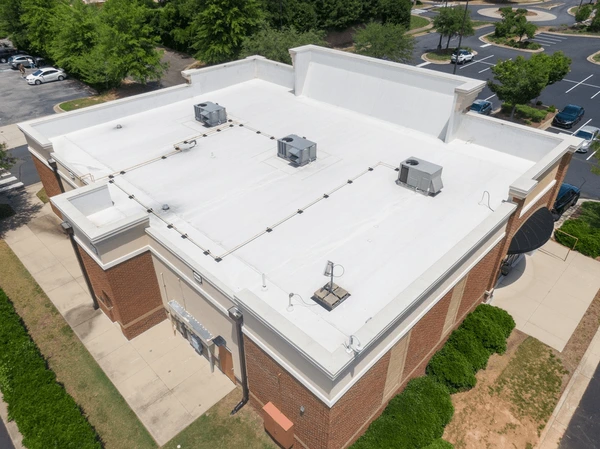
Maine’s climate is unlike almost anywhere else in the country when it comes to roofing. Long, harsh winters with heavy snowfall, dramatic freeze-thaw cycles, coastal humidity, and salt air along the shoreline all put commercial flat roofs through a level of stress that few other regions experience. For business owners, property managers, and facility managers across the state, choosing and maintaining the right flat roofing system isn’t just a maintenance decision — it’s a long-term investment in protecting the building itself. Here’s a practical guide to commercial flat roofing in Maine: the challenges, the right materials, and how to keep a roof performing for decades. Why Flat Roofs Are Popular for Commercial Buildings Flat (or low-slope) roofs are the standard for most commercial buildings — warehouses, retail centers, office buildings, and industrial facilities — for good reason: But in Maine, “flat” doesn’t mean “no slope” — a proper commercial flat roof still needs a slight pitch (usually a minimum of ¼ inch per foot) to ensure water drains rather than pools. Maine’s Climate: The Core Challenge Any commercial roofing decision in Maine has to start with the state’s weather realities: A roofing system that works in a milder climate may fail quickly in Maine without proper design adjustments. Best Flat Roofing Systems for Maine Commercial Buildings 1. TPO (Thermoplastic Polyolefin) One of the most popular choices for commercial buildings today. TPO offers: 2. EPDM (Rubber Roofing) A long-standing, reliable choice, especially well-suited to cold climates: 3. PVC Roofing A strong option for buildings with rooftop equipment or exposure to grease/chemicals (like restaurants): 4. Modified Bitumen A traditional, multi-layer system that performs well in harsh winters: 5. Built-Up Roofing (BUR) Still used on many older commercial buildings and some new installations: Insulation and Ventilation: Just as Important as the Membrane In Maine, the roofing membrane is only half the equation. Proper insulation (often polyisocyanurate board) prevents heat loss that leads to snow melt and ice damming, while adequate ventilation keeps moisture from building up inside the roof assembly. Many roof failures in cold climates come not from the membrane itself, but from insulation or ventilation problems underneath it. Energy codes in Maine increasingly require higher insulation R-values for commercial roofs, so upgrading insulation during a re-roof project often pays for itself through lower heating costs. Drainage: Critical for Snow and Ice Management Because flat roofs rely on slight slopes and internal or perimeter drains, a well-designed drainage system is essential in a state where large amounts of snow and ice accumulate seasonally. Considerations include: Maintenance: Extending the Life of a Commercial Flat Roof Flat roofs in Maine benefit enormously from a proactive maintenance plan, including: Choosing a Roofing Contractor in Maine Because of the state’s demanding climate, it’s worth choosing a contractor with: The Bottom Line A commercial flat roof in Maine has to do more than keep water out — it has to withstand heavy snow, repeated freeze-thaw cycles, and, for many buildings, salty coastal air. Choosing the right membrane system, pairing it with proper insulation and drainage, and staying on top of routine maintenance are the keys to a roof that performs reliably for decades rather than becoming a recurring source of costly repairs. For most commercial property owners, working with an experienced local roofing contractor who understands Maine’s specific climate challenges is the single best investment in the roof’s long-term performance.

Best Roofing Materials for Cold Climates: A Complete Homeowner’s Guide
Discover the best roofing materials for cold climates, including metal roofing, asphalt shingles, slate, and cedar shake. Learn which options offer the best durability, energy efficiency, and protection against snow, ice, and freezing temperatures.

Asphalt Shingle vs Metal Roofing Comparisons: Which Roofing Option Is Best for Your Home?
Compare asphalt shingles vs metal roofing in terms of cost, durability, lifespan, energy efficiency, and maintenance. Discover which roofing material is the best choice for your home and budget.

How to Know When You Need a Roof Replacement
Learn the top signs that indicate you may need a roof replacement, including missing shingles, recurring leaks, sagging areas, and rising energy bills. Discover when it’s time to replace your roof and protect your home from costly damage.