
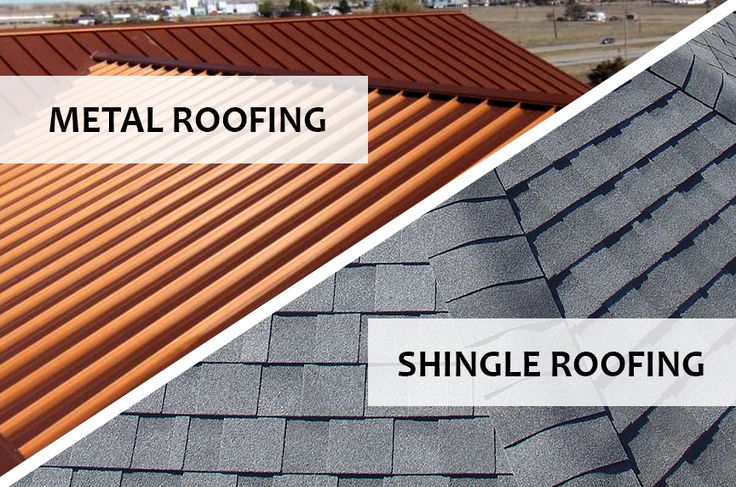
Architectural Shingles vs. Metal Roofing: The Truth About Choosing a New Roof Few home improvement decisions cause as much second-guessing as choosing a new roof. Part of the confusion comes from how much the roofing industry has changed. Traditional asphalt shingles gave way to organic shingles that failed badly, which pushed many homeowners toward metal roofing’s promise of 50-year lifespans. In response, the shingle industry reinvented itself with architectural (laminate) shingles. So which one actually makes sense for your house? Here’s what a roofing company owner had to say when asked directly. It’s Not About Price Per Square Foot — It’s About Price Per Year The biggest mental shift homeowners need to make: don’t compare roofing options by upfront cost per square foot. Compare them by cost per square foot per year of expected life. When you run the math that way, a $20,000–$25,000 metal roof and a comparable architectural shingle roof often land in a similar place financially, once you factor in how long each will realistically last. Warranty Numbers Are Misleading Every roofing product is sold with a “lifetime” or year-based warranty, but almost nobody stays in a home long enough to test it. More importantly, most of these warranties are prorated. A 50-year warranty doesn’t mean full replacement coverage for 50 years — it means the manufacturer’s payout shrinks over time. If something goes wrong at year 25, you might only get credited for half the original value of the product, and by then material costs have often doubled. So that “coverage” barely keeps pace with inflation. Some steel roofing products do offer non-prorated 50-year warranties, meaning full replacement value regardless of when a problem occurs — but that’s the exception, not the rule, and it usually comes at a premium. Real-World Lifespan Depends on Your House, Not Just the Product A shingle rated for 25 years might only last 10–15 in practice. Why? Because shingle lifespan isn’t just about the product — it’s about: The same logic applies to metal: the material might hold up, but that doesn’t guarantee the roof will look or perform the same over decades. What’s Actually Under the Shingles Matters A quality roof install isn’t just about the shingle on top — it includes a two-part water protection system: Also important: roofers should never install new shingles over old ones. Doing so hides the condition of the deck underneath, meaning rot, old leaks, or damaged plywood can go undetected and cause bigger problems later. Why Architectural Shingles Beat Old-Style 3-Tab Shingles Architectural (laminate) shingles differ from old 3-tab shingles in a few key ways: The Case Against Metal Roofs (Yes, Really) Metal roofing has real advantages, but it’s not the automatic “better” choice people assume: So Which Roof Is Actually Best? There’s no universal answer — it depends on your specific home, climate, ventilation, and how long you plan to stay in the house. But a few practical takeaways stand out: At the end of the day, a “50-year roof” is a marketing baseline, not a guarantee. Understanding how your home’s construction, climate, and airflow affect real-world lifespan will help you make a far more informed — and cost-effective — decision.